




Comprehensive GI Pathology Services
LabGenomics provides a full range of GI tests and pathology services focused on supporting your screening, diagnostic and case management strategies. Our pathologists are ready to collaborate with you on identifying the right pathway forward for successful clinical outcomes.
Our GI pathologists provide expert interpretation of a full range of cases that focus on the diagnosis and characterization of neoplastic and non-neoplastic diseases with special emphasis on chronic inflammatory diseases and tumors in the GI tract, pancreas and liver.
LabGenomics staff GI pathologists are fellowship trained in GI and liver pathology and have special interest in Pediatric GI pathology.
Our pathology staff provides personal consultation with the ordering physician on unusual cases upon request.
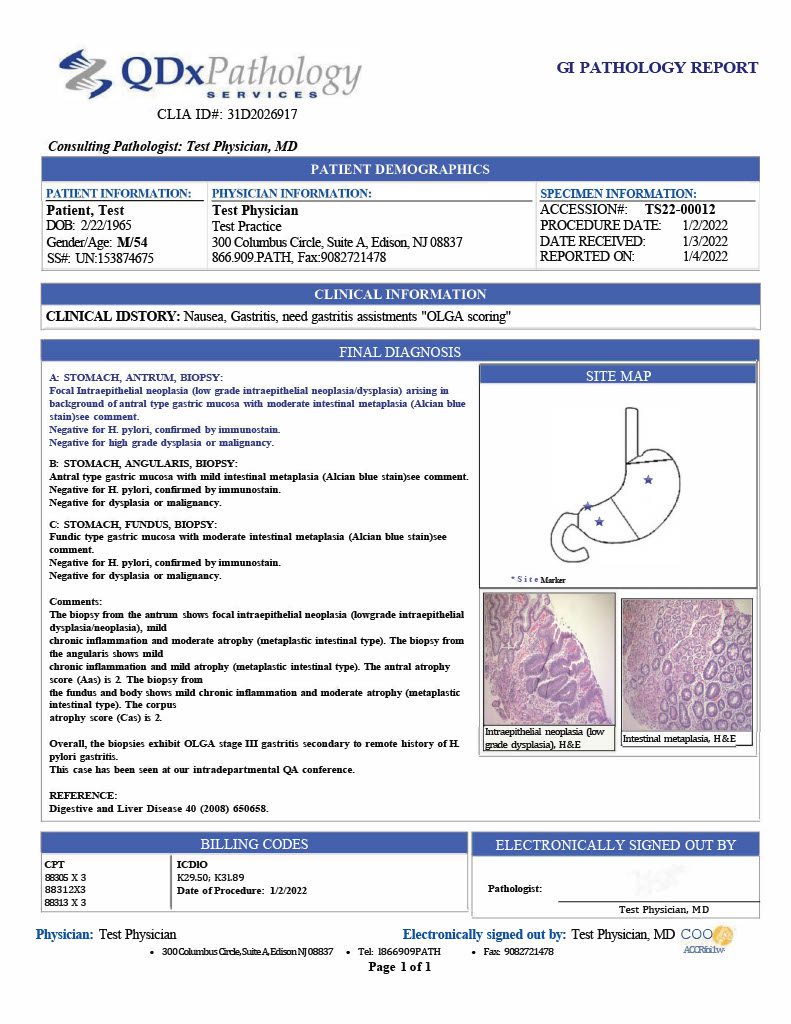
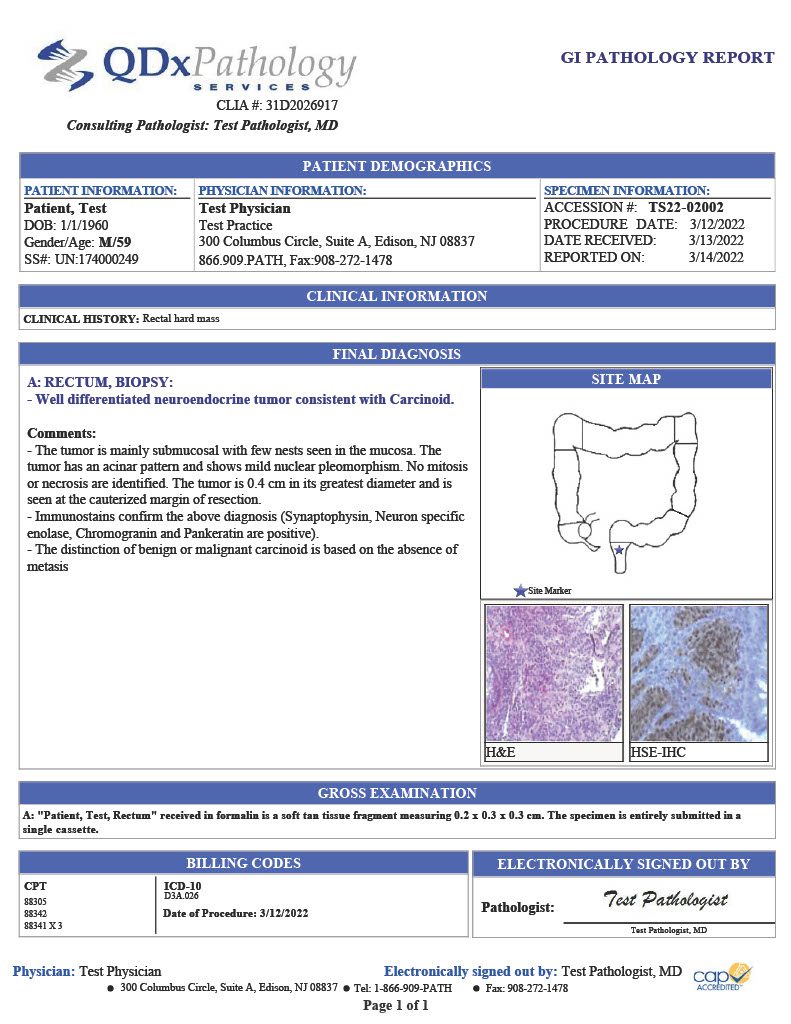
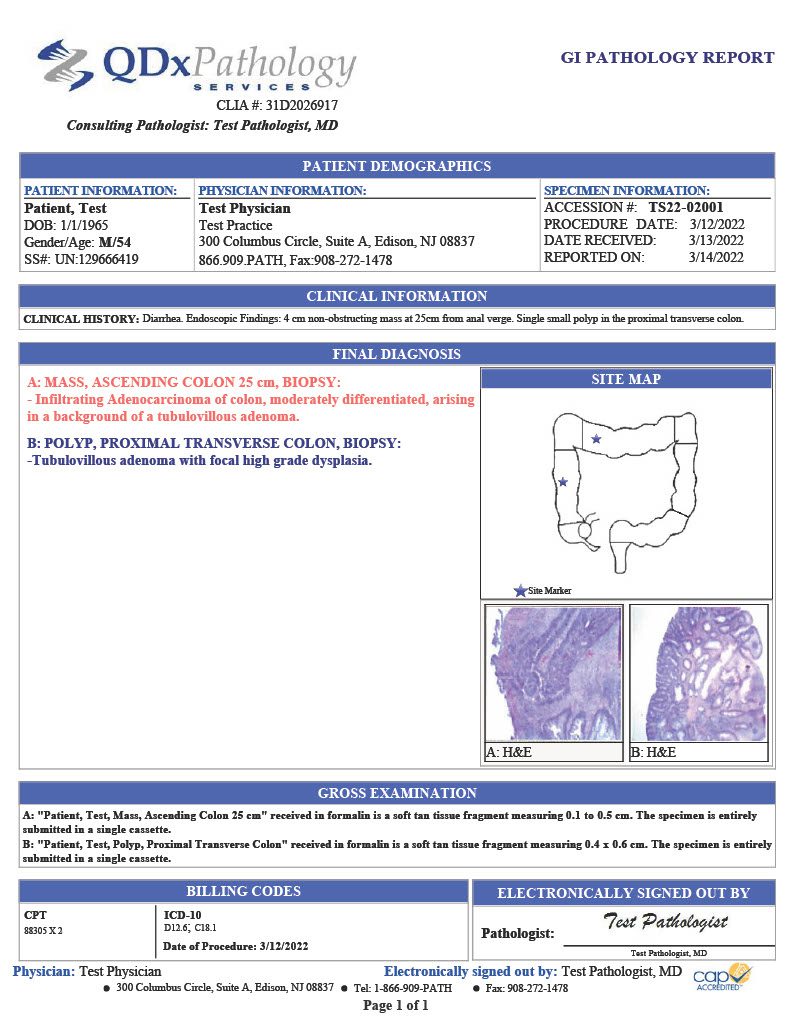
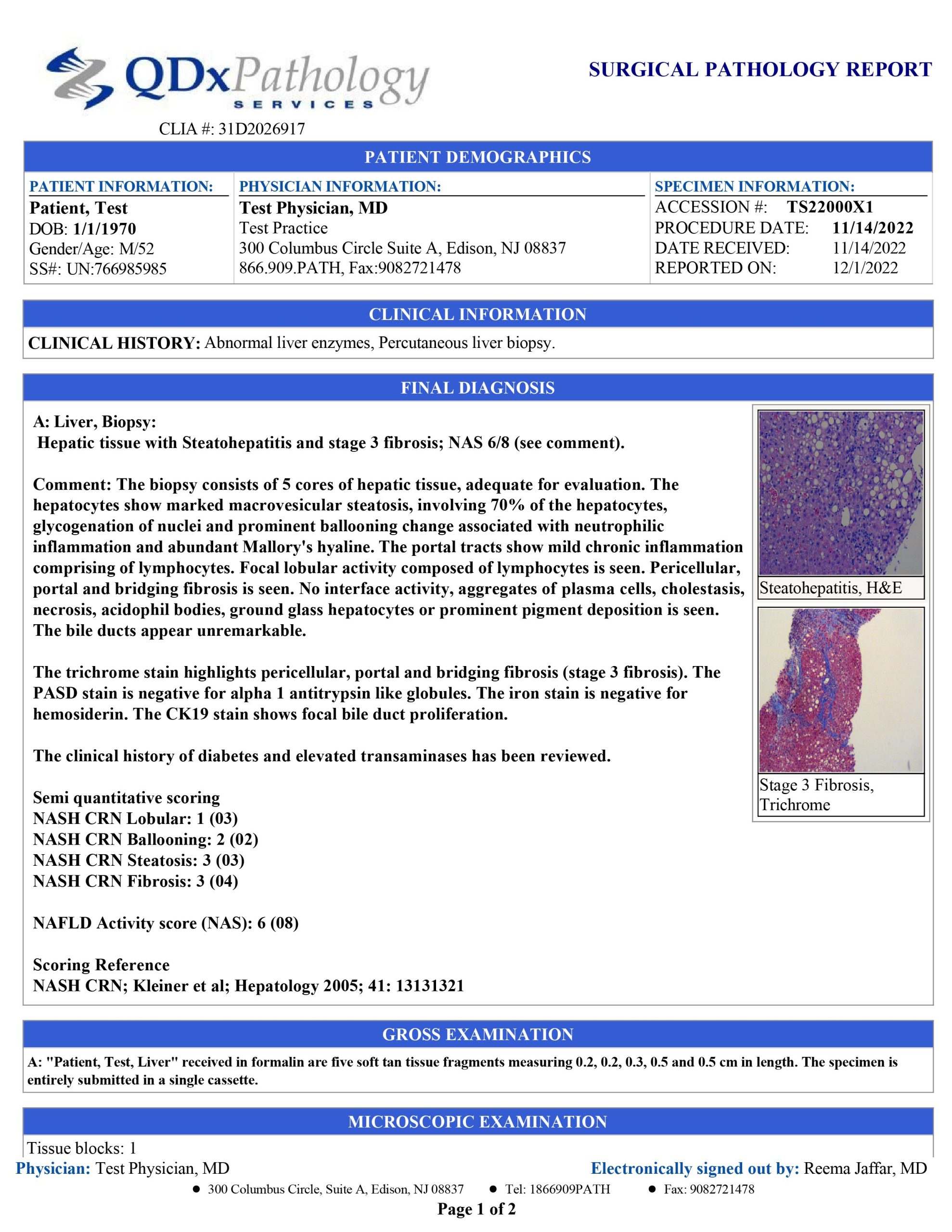
Images and graphic reporting elements are included in the final report which aids in the understanding of the findings.
Our GI pathologists provide expert interpretation of a full range of cases that focus on the diagnosis and characterization of neoplastic and non-neoplastic diseases with special emphasis on chronic inflammatory diseases and tumors in the GI tract, pancreas and liver.
GI Pathogen Panel is based on multiplexed nucleic acid detection and is intended for the simultaneous qualitative detection and identification of multiple viral, bacterial and parasitic nucleic acids in human stool samples. This includes Cary-Blair media from individuals with signs and symptoms of gastrointestinal infection.
Turn Around Time – 48 hours.
Clostridium difficile infection involves a range of clinical presentations from mild diarrhea to life-threatening pseudomembranous colitis and megacolon. Moderate to severe CDI cases require early identification for better outcomes and decreased mortality. Especially among the elderly.
Turn Around Time – 24 hours.
H. Pylori is responsible for 90% of duodenal ulcers and 80% of gastric ulcers. It is also associated with a 2-3 fold increased risk of gastric cancer and mucosal associated-type (MALT) lymphoma.
H. pylori stool antigen is a qualitative test that detects Helicobacter pylori specific antigen. It is intended for use with human fecal specimens to aid in the diagnosis of H. pylori infection and to demonstrate loss of H. pylori antigen following treatment.
Turn Around Time – 48 hours.
Our stool testing services support the determination of the underlying causes of gastrointestinal illnesses (bacteria, parasites), as well as diseases, such as colitis or inflammatory bowel disease.
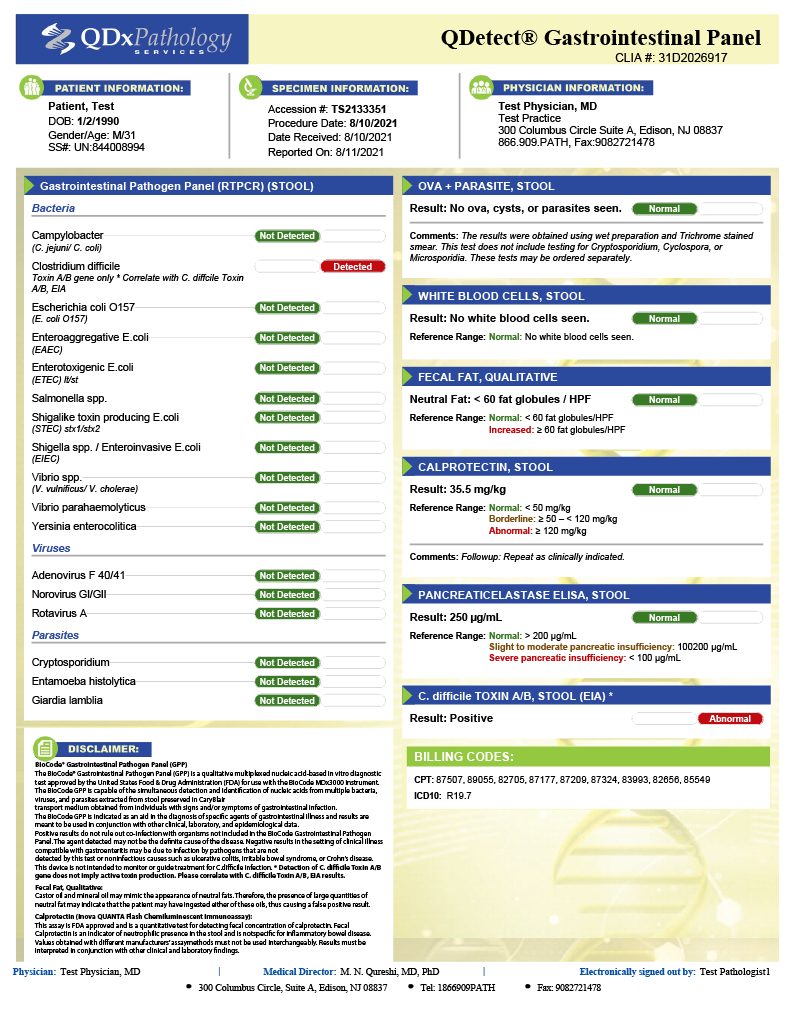
Fecal fat measures the amount of fat within a stool sample. Excess fat known as steatorrhea can be tested for this, ultimately aiding in the determination of malabsorption and/or digestive disease. We test for both the presence of neutral fats and split fats in stool. Neutral fats (e.g., monoglycerides, diglycerides, triglycerides) seen in excess is suggestive of steatorrhea, impaired synthesis or secretion of pancreatic enzymes or bile. An increase in split fats is suggestive of impaired absorption of nutrients. These neutral/split fats should be rare in normal stool samples.
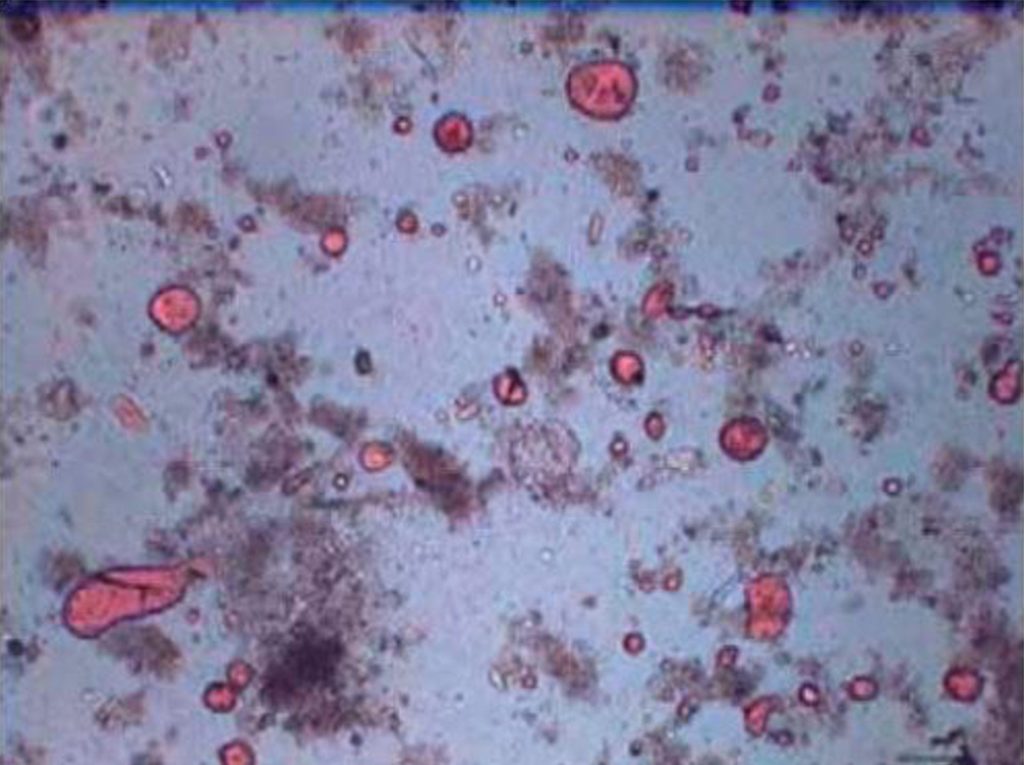
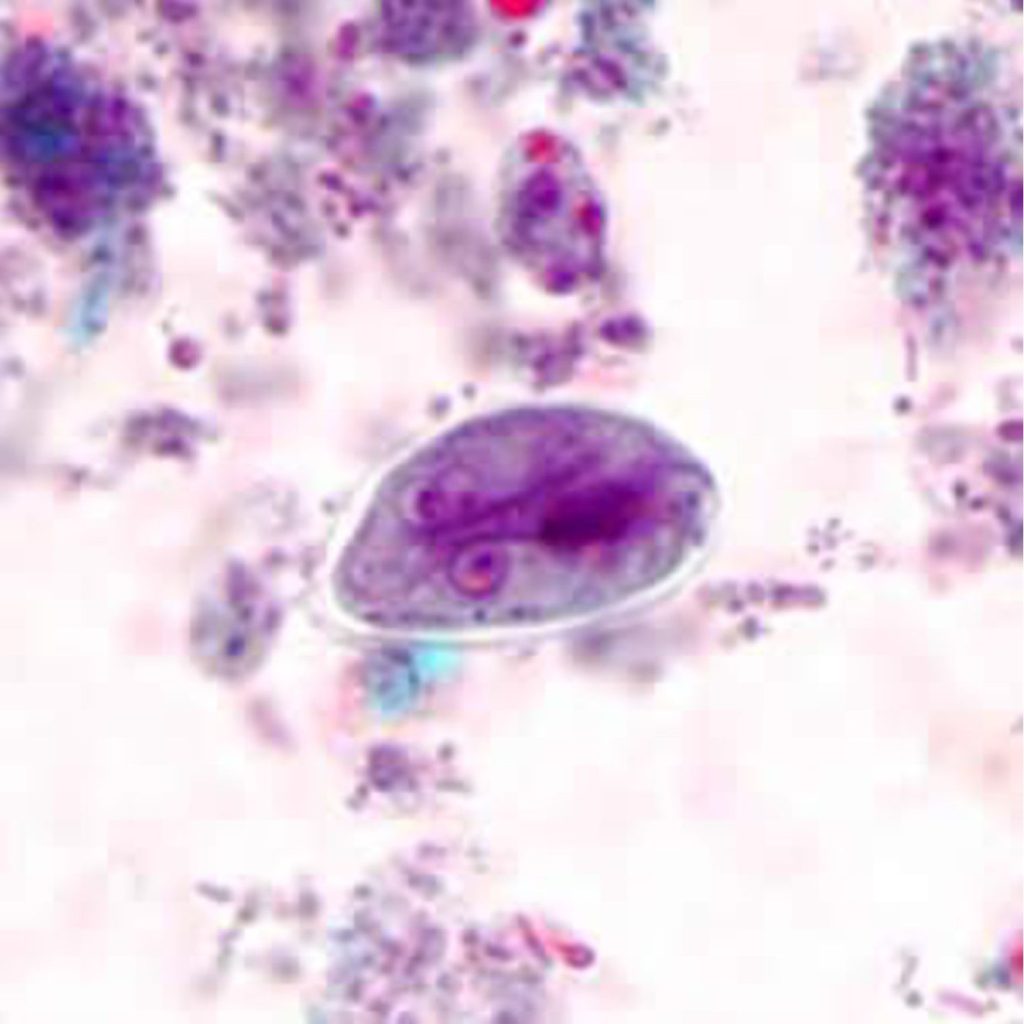
The Ova and Parasite stool test is a microscopic exam to help diagnose the appearance of eggs, trophozoites and/or helminths found within stool. Parasitic infections often occur in the lower digestive tract, which may cause diarrhea.
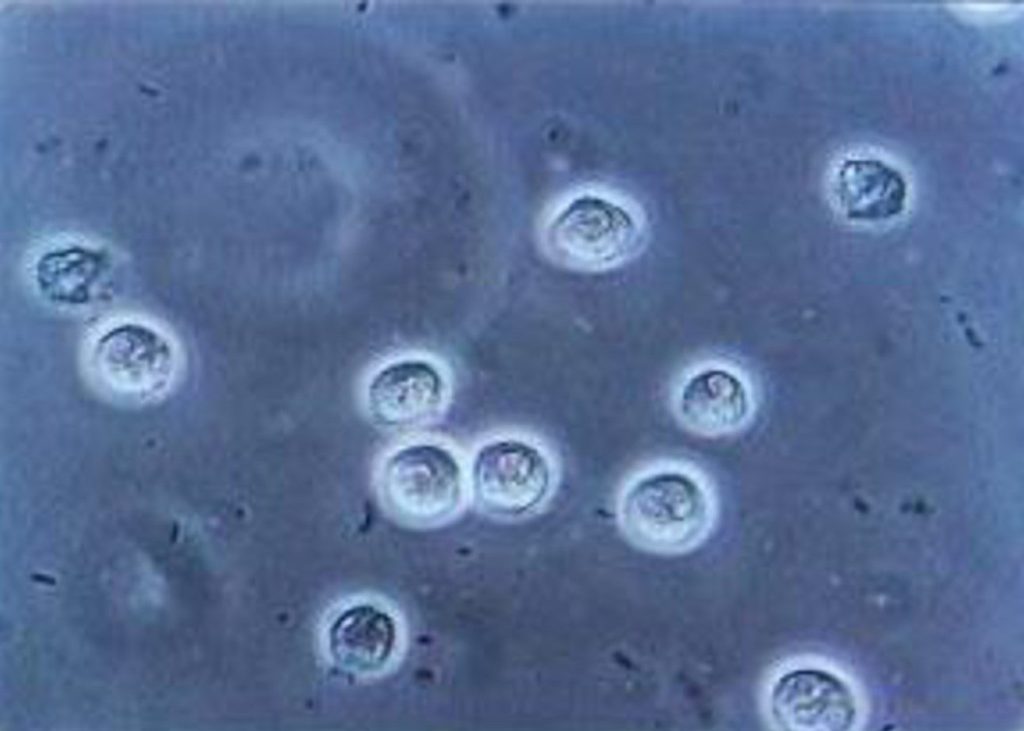
White Blood Cell stool testing or Fecal Leukocyte testing help diagnose inflammatory diarrhea. This type of diarrhea may be an indication of an infection by bacteria, or the result of ulcerative colitis or inflammatory bowel disease.
Note: If ordering Calprotectin or Lactoferrin, Fecal WBC is of limited value and should not be ordered.
LabGenomics offers several immunoassays to detect the presence of blood, bacteria or parasites, as well as other signs of diseases and disorders. Our laboratory utilizes advanced analytic methods and equipment including chemiluminescence immunoassays that improve detection sensitivity when compared to standard immunoassays.
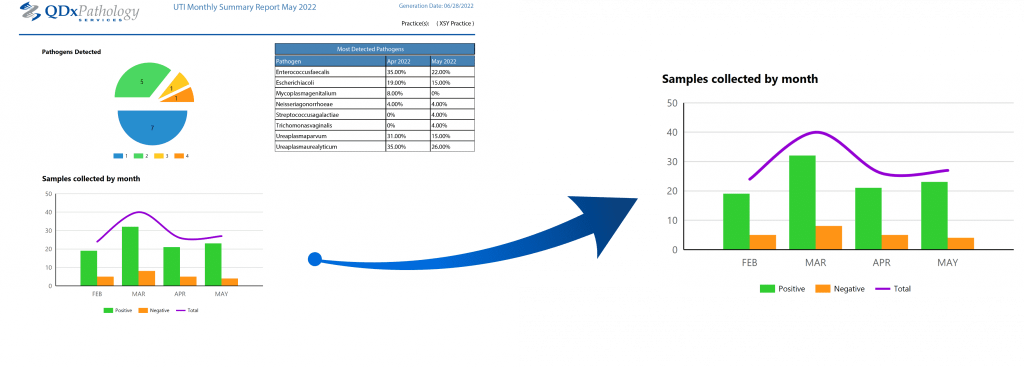
Upon request, LabGenomics provides your practice with clinical management reports that summarize aggregate test result data to support your quality assurance process. Contact your LabGenomics representative to learn more.
BACTERIA
PARASITES
VIRUSES
The LabGenomics Clostridium Difficile assay when combined with LabGenomics Lactoferrin testing provides both an indication of the presence of stool toxins and the degree of intestinal inflammation as an indicator of disease severity in CDI patients.
LabGenomics offers Clostridium Difficile analysis based on an enzyme immunoassay used for the detection of toxins A and B produced by toxigenic strains of Clostridium difficile. The assay can be used to detect toxins A and B in fecal specimens from persons suspected of having C. difficile disease.
Using the Gen-Probe APTIMA COMBO 2 Assay from Chlamydia trachomatis and Neisseria gonorrheae, LabGenomics Pathothology can qualitatively detect and differentiate RNA to provide accurate identification of infection using the Thin Prep vial. The Assay delivers more sensitivity than a culture, allowing rapid and reliable test results.
Using the Gen-Probe APTIMA COMBO 2 Assay from Chlamydia trachomatis and Neisseria gonorrheae, LabGenomics Pathothology can qualitatively detect and differentiate RNA to provide accurate identification of infection using the Thin Prep vial. The Assay delivers more sensitivity than a culture, allowing rapid and reliable test results.
Calprotectin is a chemiluminescent immunoassay for the quantitative determination of fecal calprotectin in extracted human stool samples.
Elevated levels of fecal calprotectin, in conjunction with clinical findings and other laboratory tests, can aid in the diagnosis of inflammatory bowel disease (IBD) (ulcerative colitis and Crohn’s disease), and in the differentiation of IBD from irritable bowel syndrome (IBS).
LACTOFERRIN SCAN® test is a quantitative test that measures the level of fecal lactoferrin released from leukocytes.
Fecal lactoferrin testing can help to differentiate active IBD from IBS. It can also help to determine intestinal inflammation during CDI. Other intestinal ailments, including many gastrointestinal infections and colorectal cancer, often result in elevated levels of lactoferrin in fecal specimens. Therefore, when evaluating a patient, a clinical assessment must be considered along with test results.
Note: Lactoferrin will not be performed on watery diarrhea samples due to limited specificity and sensitivity.
This test is ELISA monoclonal antibody test intended for the quantitative determination of pancreatic elastase (enzyme produced in the acinar cells of the pancreas that enhances the digestive process) in human stool samples.
The test may be used as an aid in the diagnosis or exclusion of exocrine pancreatic insufficiency associated with chronic pancreatitis, cystic fibrosis, carcinoma of the pancreas, diabetes mellitus type 1 and other etiologies of pancreatic insufficiency. Pancreatic elastase is mainly bound to bile salts during intestinal passage and is not degraded. As a result, in human feces, it is 5-6 fold more concentrated than in pancreatic juice. The stool concentration reflects the secretory capacity of the pancreas. Studies have shown pancreatic elastase to be an important biomarker of exocrine pancreas function, and that it can also be used to define or exclude exocrine pancreatic insufficiency in cases of unexplained diarrhea, constipation, weight loss and food intolerances.